
The Revolution Will Be Visual
In moments like this—when the world feels heavy and unresolved—everyone has a role, and mine has always been visual.

I’m going to say this, and feel free to do with it what you want.
I’m not blind to what’s happening in the world—but this isn’t just about politics. It’s about belief. About moments when people decide this matters to me, whether the world agrees or not. Everyone can’t lead the charge. Everyone can’t be the loudest voice in the room. And that’s okay. Everyone has a place. Think chessboard, not spotlight.
Some people speak.
Some people organize.
Some people show up with their whole bodies.
And some of us design.
The revolution will be visual because visuals move differently than words. They don’t argue. They don’t convince. They present. They sit with you. They repeat themselves quietly until you understand what you’re looking at. Images travel across time, across context, across belief systems. They don’t disappear when the moment cools off.
Design has always done that.
Before algorithms. Before content calendars. Before everything needed an explanation attached to it—there were visuals. Posters. Symbols. Type choices that weren’t neutral. Black ink on cardboard. High contrast. Direct intention. Design that trusted people to decide where they stood.
That lineage is deep.
When I think about visual conviction, I think about Emory Douglas. His work for the Black Panther Party wasn’t decoration—it was clarity. Instructional. Sharp. Unapologetic. His visuals made belief visible. You didn’t have to agree with them to understand what they stood for. That’s powerful design.
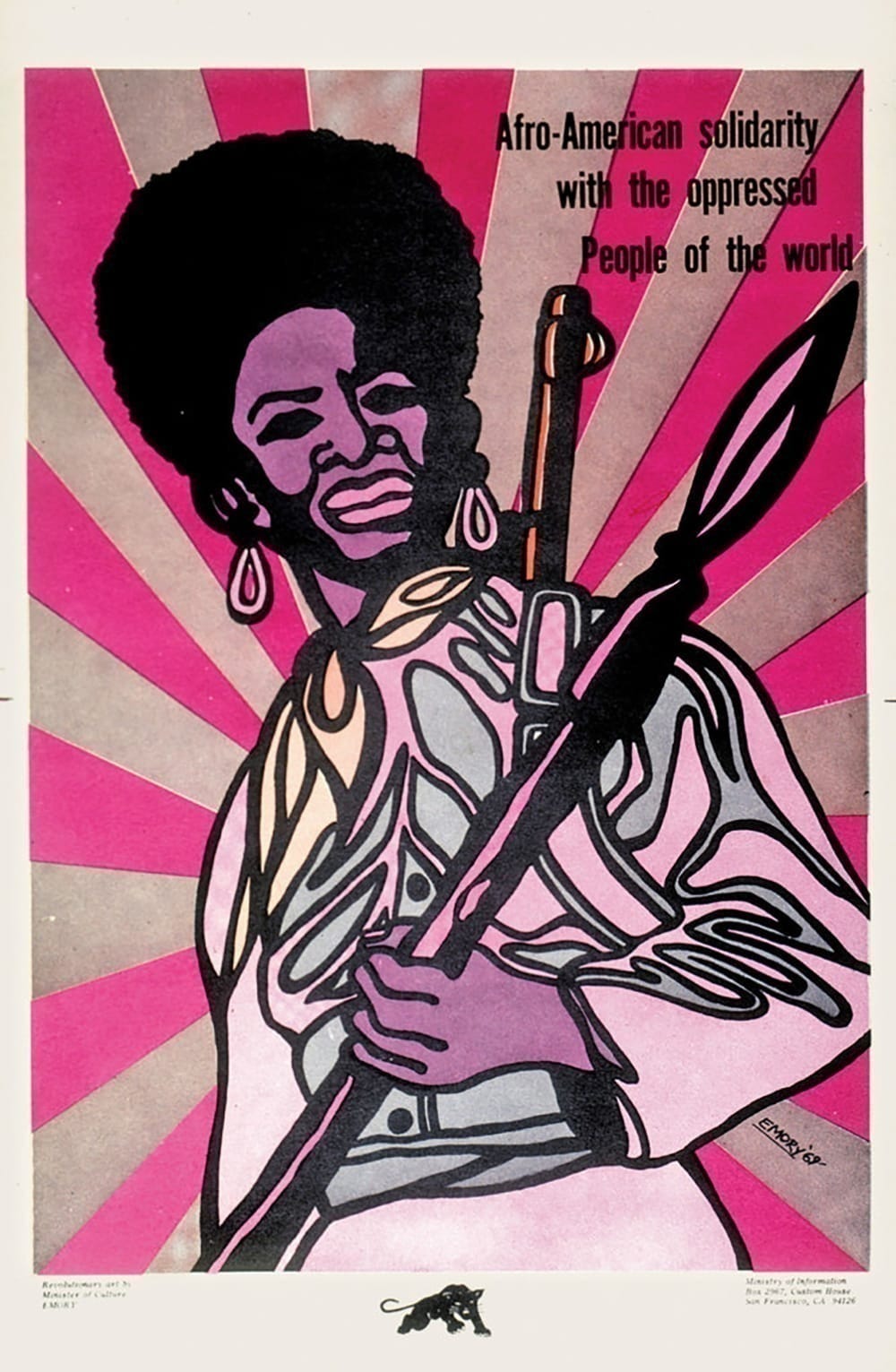
That’s design with a backbone.
The HOPE poster from Barack Obama did something similar in a different register. One image. One word. A visual that became belief, optimism, critique, and history—all at once. It didn’t live only in its moment. It stayed.
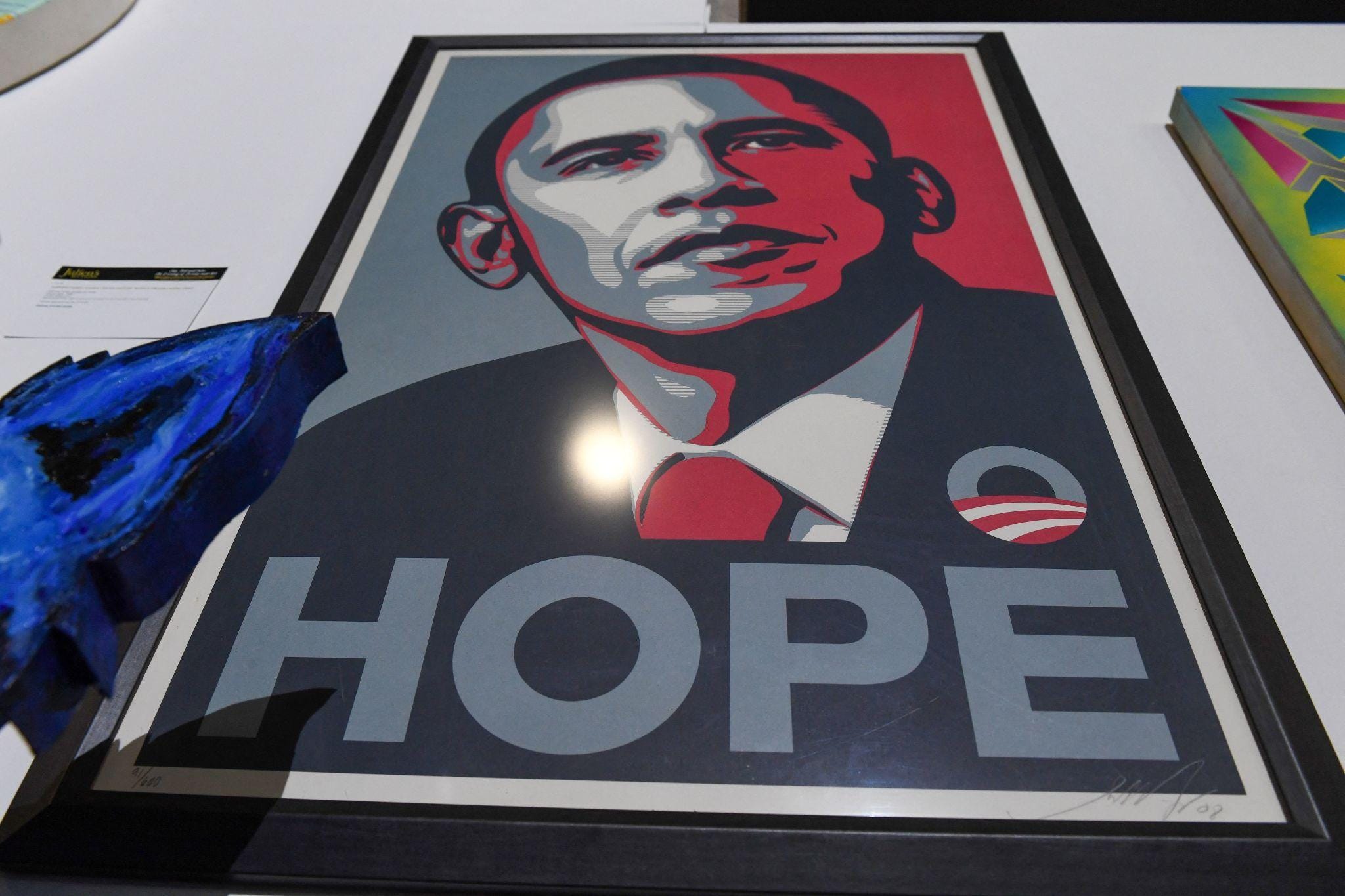
Posters that read “All Power to the People.”
The visuals from the 1995 Million Man March.
The restraint. The repetition. The refusal to over-explain.
Those designs didn’t need everyone’s approval. They needed clarity. And they got it.
That’s the thing about visuals—they don’t need consensus to matter.
And that hasn’t changed.
Even today, the strongest visual systems pull from what people already recognize and trust. The recent campaign visuals around Zohran Mamdani are a reminder of that. As Aneesh Bhoopathy explains, the references came from everyday New York—bodega awnings, cab lettering, lottery tickets. Familiar visual language. Design that feels lived-in. That kind of work doesn’t shout. It grounds.
Because belief needs grounding.
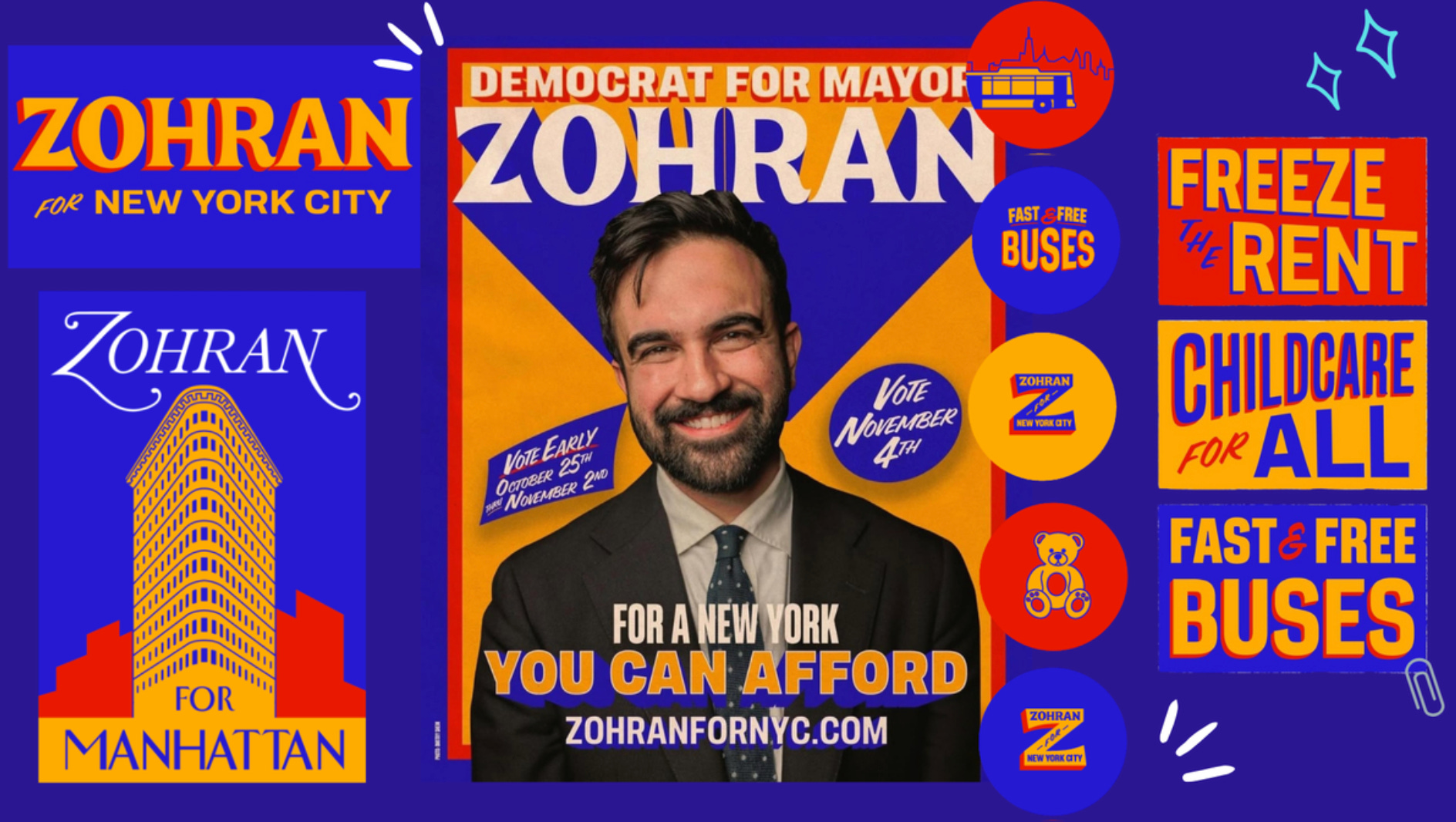
I don’t talk much about my feelings on everything happening because words require care. Language can slip. It can oversimplify. And when you’re dealing with belief—what people hold sacred, radical, dangerous, or right—you have to be responsible.
Design gives me that responsibility.
Visually, I can be clear without being careless. I can stand in something without turning it into noise. Design lets me show where I stand without asking anyone else to stand there with me.
So if you’re on the board and you need a visual.
If you’re building something rooted in belief—political or not.
If what you care about feels misunderstood, radical, or quietly firm—
That’s where I come in.
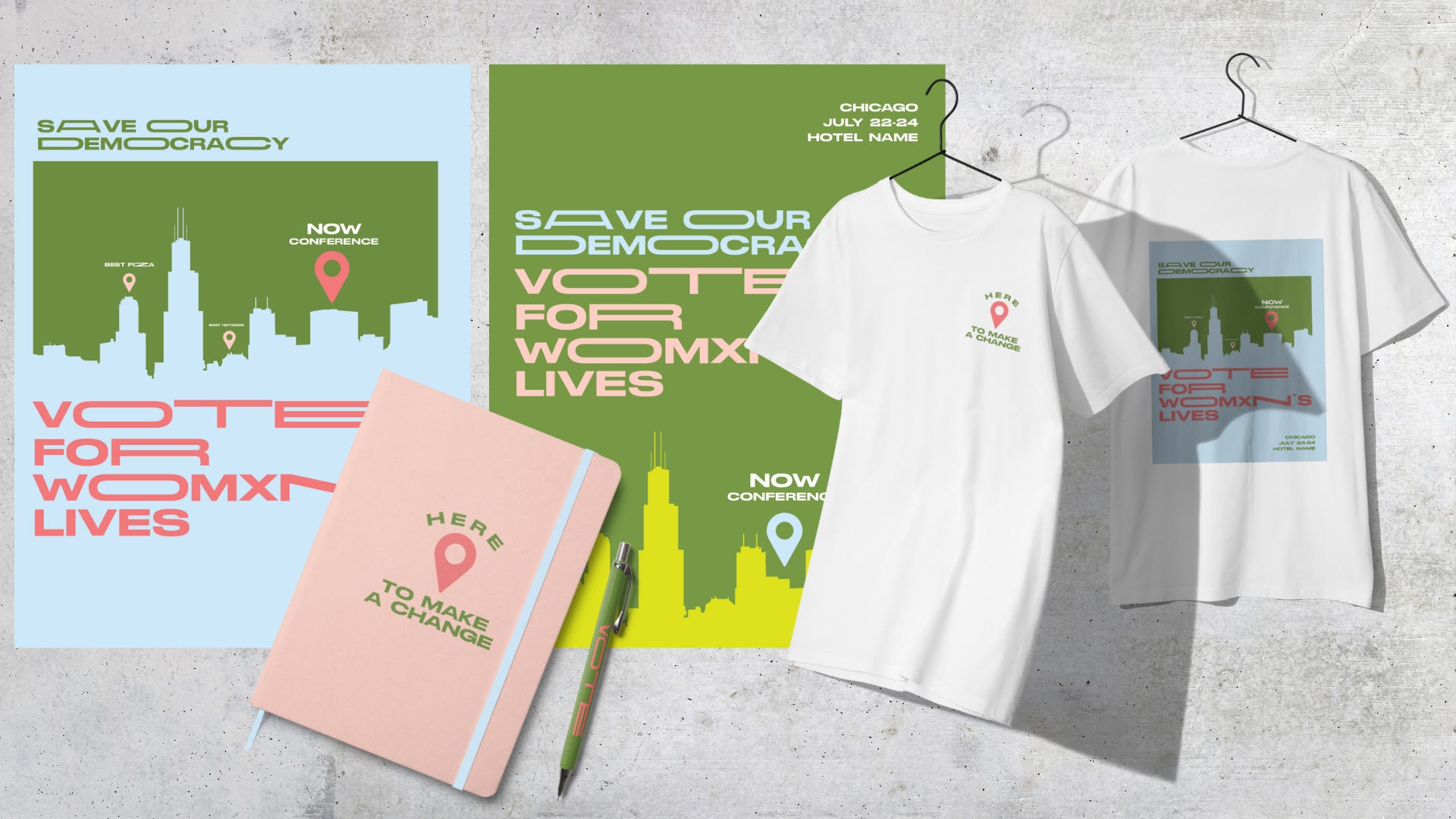
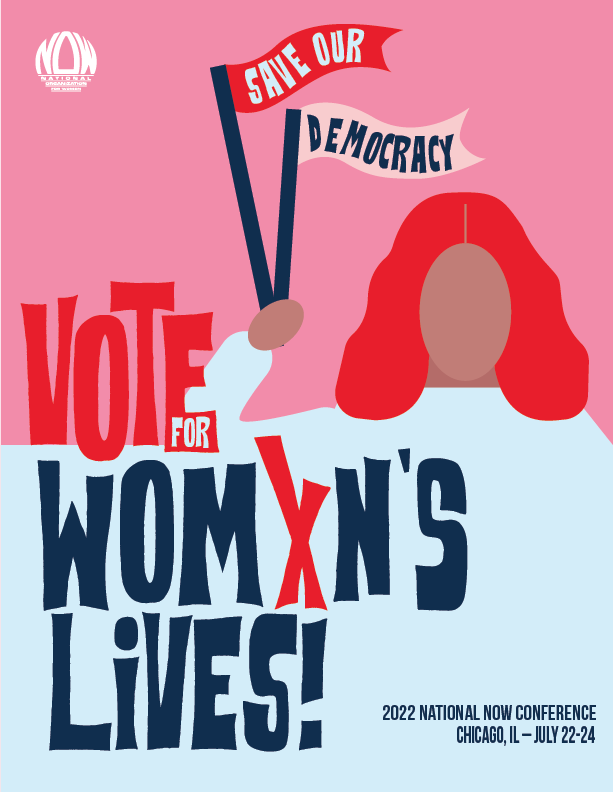
*NOW Conference Design by Casey Renae of Snipes Design Agency.
I’m open to conversations where design is the language. Where visuals do the heavy lifting. Where belief isn’t watered down for comfort.
This isn’t about trends.
It’s not about virality.
It’s about what lasts.
Because as designers, this is the real question:
When the moment has passed, what will still be visible?
The revolution will be visual.
And every era leaves behind the images it believed in.
My Best,
Casey Renae